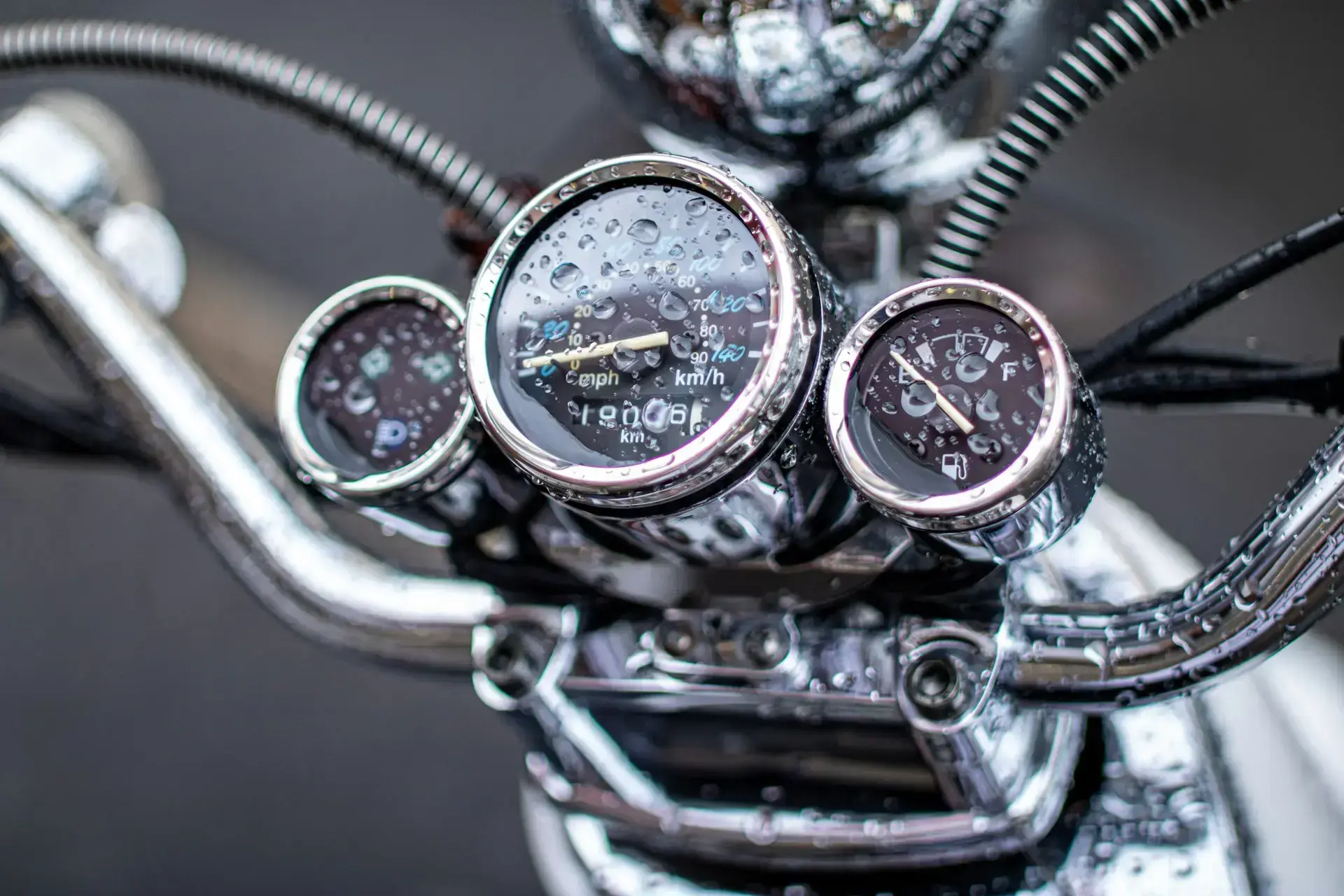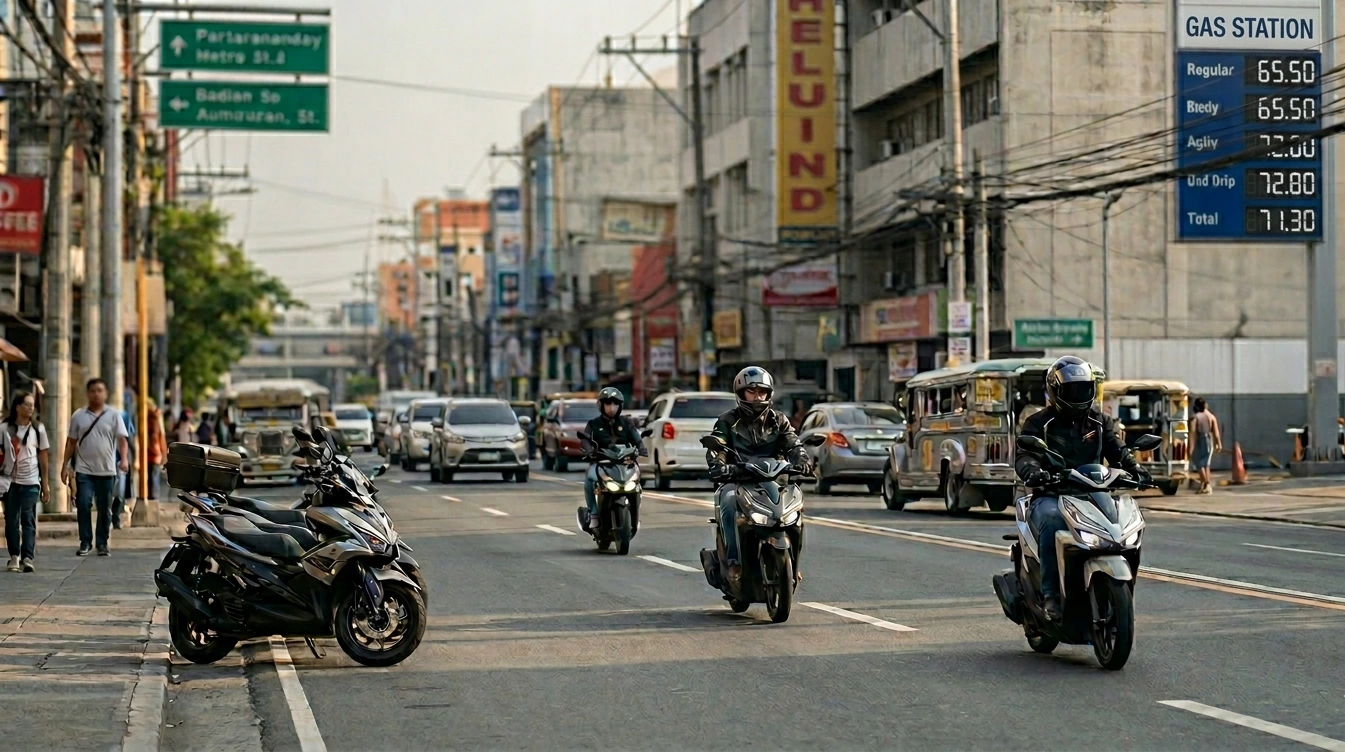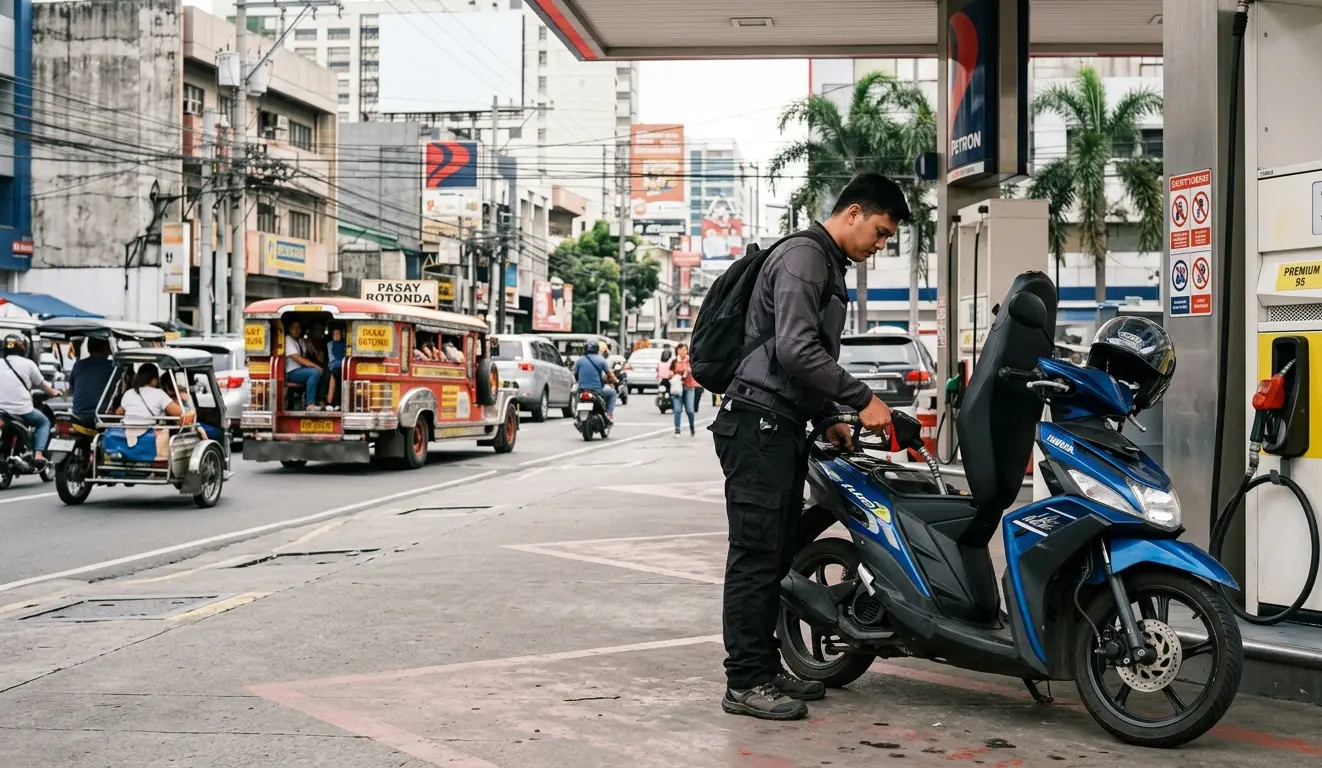
How to Save Fuel in Difficult Times: Essential Tips for Philippine Motorcycle Riders
Gasoline prices in the Philippines keep climbing, and riders are feeling the pinch in their wallets. Learn practical fuel-saving techniques tailored for Philippine roads and traffic conditions.
Gas prices are going up again, and as a rider, you're feeling it every time you fill up. But don't worry—may mga simple tricks na pwede mong gawin to make your fuel last longer and save more money. 🛢️💰
Let's be real: petrol is getting expensive, and it's only going to stay that way for a while. Whether you're commuting to work in Manila or cruising on provincial roads, every peso counts. The good news is, you don't need to spend money to save fuel—you just need to ride smarter.
Here are 5 practical, no-nonsense tips specifically for riders here in the Philippines.
Ride Smoothly — Your Throttle Is Your Wallet ⛽
How you ride is the single biggest factor in your fuel consumption. Most new riders don't realize that aggressive throttle = instant fuel drain.
Ease off the hard acceleration. When you yank the throttle hard at every traffic light, your engine demands a huge burst of fuel. Instead, accelerate gradually and smoothly. Pag nag-aaral pa lang kayo mag-motor, ito ang pinaka-importante na gawin—it saves fuel and it's actually safer, too.
Maintain a steady speed. On open roads like Daang Hari or routes heading to Cavite and Laguna, try to cruise at a consistent 60-80 km/h. That's the sweet spot where most bikes are most fuel-efficient. Avoid the yo-yo pattern of gunning it then braking, gunning then braking.
Anticipate traffic. If you see cars slowing down ahead, ease off the throttle early instead of rushing up and hard braking. This is especially useful on EDSA and in Metro Manila's congested roads—you'll waste less fuel and reduce wear on your brakes at the same time.
Keep Your Bike in Good Shape 🔧
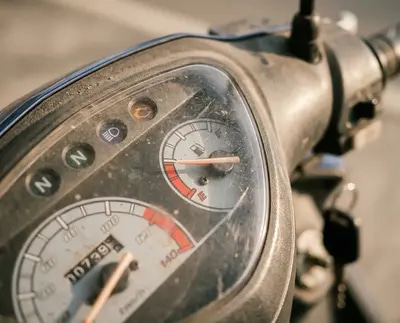
A poorly maintained bike burns way more fuel than necessary. Hindi kailangang mag-alala kung mahal ang repairs—the basics are cheap and easy.
Clean your air filter monthly. A clogged air filter chokes your engine and creates a fuel mixture that's too rich—meaning it burns more petrol than needed. Replace it every 6,000-10,000 km. This one fix alone can improve your fuel economy by 5-10%.
Check tire pressure every two weeks. Under-inflated tires create more rolling resistance, so your engine works harder to move the bike. Check your manual for the right PSI. It takes two minutes and costs nothing.
Change your engine oil on schedule. Fresh oil reduces friction inside the engine, which directly improves fuel efficiency. Stick to the oil change interval in your owner's manual—usually every 3,000-5,000 km. Huwag mag-skip nito, ha. It's one of the cheapest ways to protect both your engine and your budget.
Replace worn spark plugs. Old spark plugs cause incomplete combustion, meaning your engine burns fuel without getting the full power from it. Replace them around every 5,000-8,000 km. You'll instantly notice better mileage and smoother starts.
Travel Light 🎒
Extra weight makes your engine work harder—and harder work means more fuel burned. Every kilo matters, especially on longer rides.
If you're just commuting in the city, bring only what you need: wallet, phone, helmet, and your essentials. No need to haul around extra stuff. Kung may bitbit kang mabigat sa bag mo araw-araw na hindi naman kailangan, that's extra fuel you're paying for without knowing it.
If you regularly carry a passenger, keep in mind that a person adds roughly 15-20% more fuel consumption. Not saying don't bring anyone—just something to be aware of when budgeting fuel costs.
Plan Your Route Around Traffic 🗺️
In the Philippines, traffic isn't just annoying—it's a serious fuel killer. Stop-and-go riding is one of the worst conditions for fuel efficiency.
Avoid rush hours when possible. EDSA between 7-9 AM and 5-7 PM is a nightmare for your fuel tank. Leaving just 30-45 minutes earlier or later can make a big difference in how much fuel you burn.
Use alternate routes. You don't always need the main highway. Side roads through Makati, Pasig, or QC might look longer on the map, but less traffic usually means better fuel economy. Mas matagal man ang daan, mas mabilis pa rin ang dating mo pag walang traffic—and less fuel consumed.
Go flat when you can. Riding uphill burns significantly more fuel. If you're heading to areas like Antipolo or mountainous provinces, a longer flat route might actually save you gas compared to the direct but hilly shortcut.
Build Smart Fueling Habits ⛽💡
These small habits are easy to pick up and they genuinely add up over time.
Fuel up in the morning or evening. Cooler temperatures mean denser fuel, so you get slightly more volume per peso. It's a small difference, but every peso counts when gas is this expensive.
Coast downhill when it's safe. Going down a long slope? Shift to neutral and let the bike roll (while staying in control, of course). Zero fuel used. Philippine terrain—especially on provincial and mountain roads—gives you plenty of opportunities for this.
Use quality fuel from reputable stations. Cheap, low-octane fuel might seem like a bargain, but it often burns less efficiently and can leave carbon deposits in your engine. In the long run, you'll spend more on fuel and maintenance. Huwag ma-tempt ng mas mura kung paulit-ulit ka rin lang mag-puno ng mas mabilis.
Conclusion 💪
Fuel prices are out of our control, but how much fuel you use? That's entirely up to you. By riding smoothly, keeping your bike maintained, traveling light, choosing smarter routes, and building better fueling habits—you can realistically see 15-30% better fuel economy.
For a rider spending around ₱2,000 a month on fuel, that's up to ₱600 saved every month—or ₱7,200 a year. That's money you can put back in your pocket just by riding smarter.
Start with one tip today. Try another one next week. Hindi kailangan gawin lahat in one go—just build it gradually, and you'll notice the difference.
Ride smart, spend less, and enjoy the road more. 🏍️✨
Pro tip: Track your fuel for two weeks before and after applying these tips. You'll be surprised at the difference — and if you want to share your results, drop it in the Kamote.ph community! We'd love to hear how much you saved.